There’s a quiet shift happening in agentic coding. A model dropped in December that’s been getting real work done—not just high benchmark scores, but actual CLI tools, bug fixes, and multi-file implementations shipping to production.
That model is MiniMax M2.1.
I’ve been watching discussions across Reddit, developer forums, and real-world testing reports. Here’s what people are actually doing with it.
The “Finisher” Reputation
The most common theme? MiniMax M2.1 gets things done.
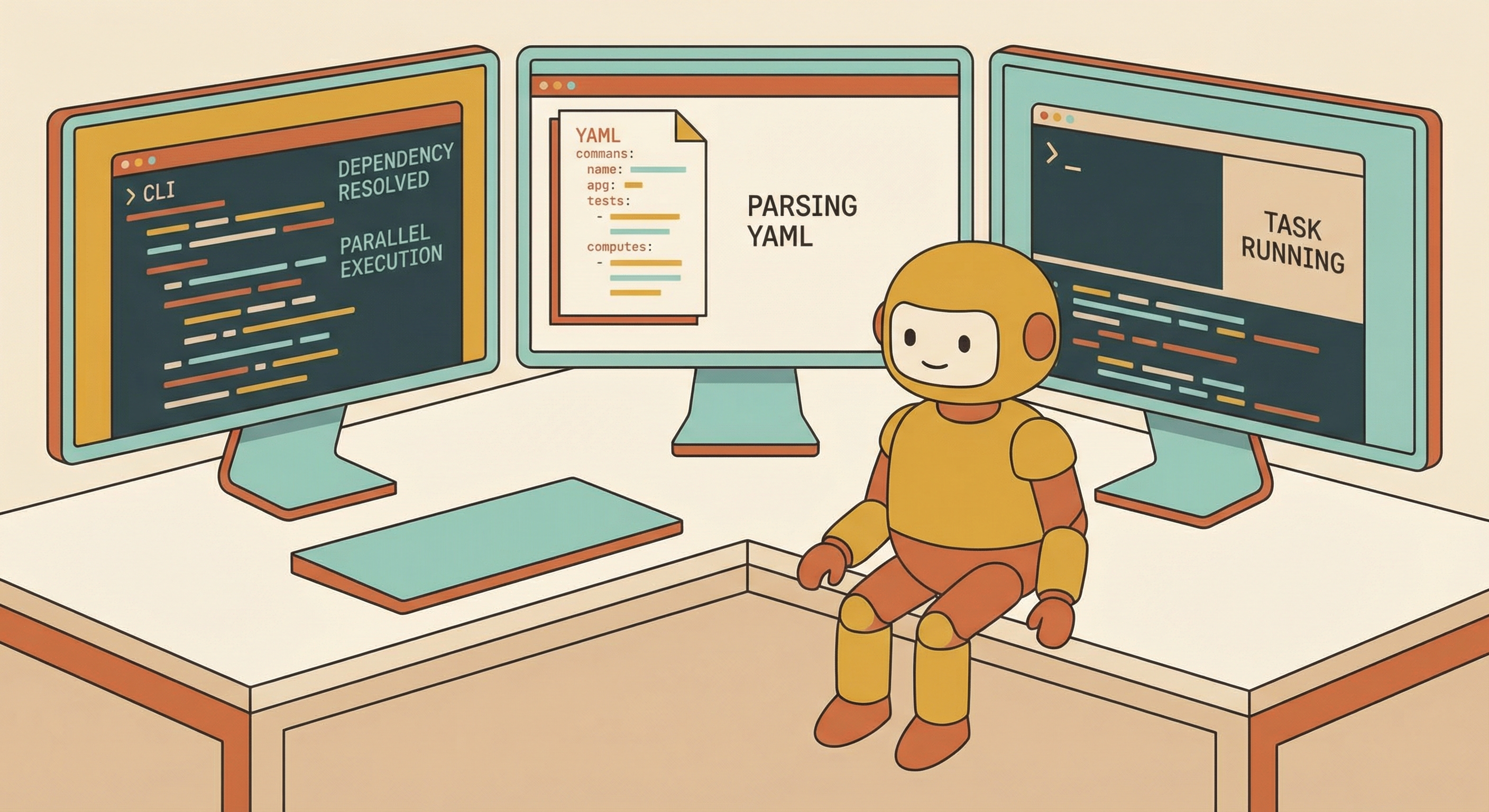
From a Kilo Code test that built a full CLI task runner with 20 features including dependency management, parallel execution, and YAML parsing:
“MiniMax M2.1 ran for 14 minutes without stopping. It hit a bug with Commander.js parsing flags, tested the library inline using Node to figure out what was wrong, then fixed the code. No human intervention.”
That’s the pattern. It doesn’t just generate code and hope. It self-tests, debugs, and iterates.
The finish-rate matters more than raw accuracy for practical work. A model that’s 5% smarter but stalls out on complex runs isn’t useful for the kind of multi-hour agentic workflows teams are starting to run.
Benchmarks That Translate
The numbers are interesting, but the real story is how they map to actual coding:
- SWE-bench Multilingual: 72.5 vs Claude Sonnet 4.5’s 68.0
- ISR scores: 26.1% on production-grade coding benchmarks, beating Claude 4.5 Sonnet (22.8%) and Gemini 3 Pro (22.9%)
- Personal score from active developer: 9.1/10 for practical coding work
One developer ran both MiniMax M2.1 and GLM 4.7 through the same real-world task. Both succeeded. The difference: MiniMax cost $0.15, GLM cost twice that. For high-volume agentic work, that gap compounds fast.
Where It Shines
Based on what developers are reporting:
Vibe coding and rapid iteration. The model feels snappy in short tool loops. Low latency means you’re not watching a progress bar while it thinks.
Cost-conscious teams. When you’re running agents for hours a day, half-price adds up. MiniMax M2.1 is free on Haimaker through March 1st.
Long-running autonomous tasks. The self-testing and debugging behavior means you can start a run and come back to something finished rather than something stuck.
Multilingual projects. The SWE-bench Multilingual results aren’t synthetic. Developers working across languages report consistent performance.
The Tradeoffs
Nothing is free. Here’s what people mention:
Less documentation out of the box. GLM 4.7 generated 363 lines of README. MiniMax M2.1 generated zero. If you need docs, you add them.
Simpler architecture. 9 files vs 18. Easier to navigate, but maybe harder to extend.
Standard library preference. Uses Commander.js instead of rolling custom CLI parsing. More maintainable, but adds dependencies.
What This Means for Your Stack
If you’re evaluating models for agentic coding workflows, MiniMax M2.1 deserves a spot in your rotation. It’s not about replacing Claude or GPT-4o—it’s about having options for different workloads:
- Run cheaper, longer experiments with MiniMax M2.1
- Pull in higher-accuracy models when reasoning precision matters
- Route by cost, latency, or capability depending on the task
Haimaker routes between providers so you can do exactly that. MiniMax M2.1 is free through March 1st, along with GPT-OSS-120b. No credit card required—just plug in your API key and start routing. If that routing is feeding a coding agent — the Kilo Code run above, or Claude Code, Codex, OpenClaw — npx -y @haimaker/connect --kilo --model minimax/minimax-m2.1 writes its native config and pins M2.1 in one command.
Getting Started with MiniMax M2.1 on Haimaker
MiniMax M2.1 is available through Haimaker with zero setup:
from openai import OpenAI

client = OpenAI(
    base_url="https://api.haimaker.ai/v1",
    api_key="your-haimaker-key"
)

response = client.chat.completions.create(
    model="minimax/minimax-m2.1",
    messages=[
        {"role": "user", "content": "Build a CLI task runner that parses YAML config files with dependency management and parallel execution"}
    ]
)
Optimizing for Cost
Add provider sorting to route to the cheapest available endpoint:
response = client.chat.completions.create(
    model="minimax/minimax-m2.1",
    messages=[...],
    extra_body={
        "provider": {"sort": "price"}
    }
)
EXPLORE MINIMAX M2.1 ON HAIMAKER
Sources: Research compiled from r/LocalLLaMA, Kilo Code benchmarks, BinaryVerse AI analysis, and developer discussions on X/Twitter.